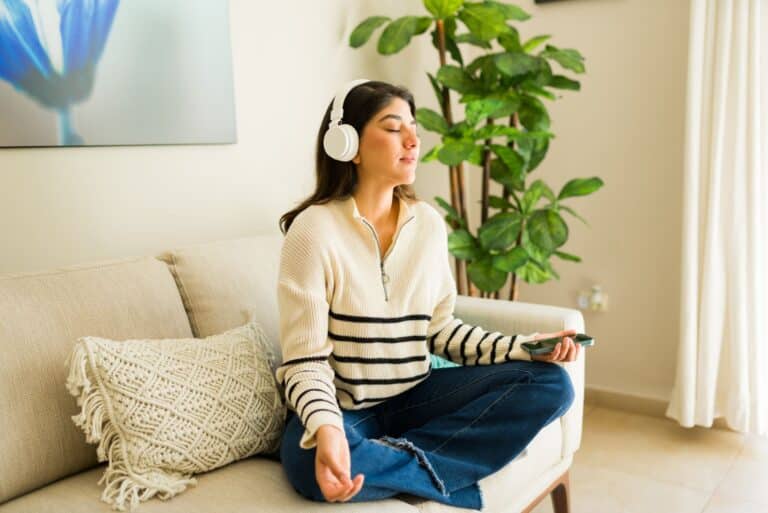
Anxiety routines are often more effective than reassurance alone when it comes to calming an anxious nervous system. For many Portlanders—especially those juggling community, caregiving, and career—anxiety often lives in the body first—showing up through disrupted sleep, difficulty transitioning between tasks, sensory overload, or an ongoing sense of urgency that makes rest feel inaccessible. Over time, these patterns chip away at routines that once brought ease, leaving folks feeling both capable and scattered—especially in a city that prides itself on doing it all.
In occupational therapy, we understand anxiety not as a personal failure or a lack of coping skills, but as a nervous system that has learned to stay alert in order to stay safe. For clients navigating the pressure to “keep it together,” especially those balancing chronic health conditions or complex family dynamics, routines become less about discipline and more about creating predictability, containment, and support for the brain and body.
Many clients describe mornings that begin in a rush, afternoons marked by mental fatigue, and evenings that feel wired but depleted. You might be responding to emails at 9pm, eating dinner standing up, or scrolling in bed just to feel a moment of peace. These patterns often repeat not because of a lack of effort, but because the nervous system has not yet been given consistent cues that it is safe to slow down.
Why Routines Matter for Anxiety
Anxiety routines provide structure that reduces cognitive load. When the brain knows what comes next, it expends less energy scanning for threat. For many Portland-based adults—especially those managing chronic anxiety, trauma histories, neurodivergence, or invisible illnesses like Type 1 diabetes—this predictability can be the difference between a meltdown and a manageable day.
From an OT lens, anxiety routines support regulation by:
- Reducing decision fatigue (like what to eat, when to rest, or how to transition between roles)
- Creating reliable transitions throughout the day
- Supporting sensory regulation
- Anchoring the nervous system in the present
Rather than rigid schedules, effective anxiety routines are flexible frameworks that respect capacity and real-life demands—whether you’re working hybrid at a desk downtown or caring for a loved one while trying to care for yourself.
A Story We See Often
One client described evenings spent pacing between unfinished tasks—knowing rest was needed, but feeling unable to access it. Screens stayed on late, meals were inconsistent, and sleep became fragmented. Anxiety wasn’t constant panic; it was a steady hum of alertness. This client, like many we see in our Portland practice, had a demanding job in healthcare and was also supporting a parent with chronic illness—there was always something urgent pulling their focus.
What shifted wasn’t a mindset change, but the introduction of a predictable evening rhythm: dimming lights at the same time each night, preparing a simple snack, and engaging in one grounding activity that signaled the body it was safe to power down. Over time, the nervous system began to respond—not perfectly, but consistently.
This is how routine-based regulation often unfolds: gradually, through repetition rather than force.
Calming OT-Informed Strategies for Anxiety Routines
1. Start with Transitions, Not Tasks
Anxiety often spikes during transitions—waking up, leaving work, preparing for sleep. For many Portland clients, these are the “in-between” moments where time slips away—scrolling Instagram, grabbing a snack, or zoning out on the couch without actually resting. Supporting these moments can have a greater impact than adding new tasks.
Examples include:
- A consistent wake-up anchor (light exposure, stretching, or a familiar sound)
- A decompression ritual after work (like changing out of scrubs or biking home without your headphones in)
- A predictable wind-down sequence in the evening
These routines cue the nervous system that a shift is happening, reducing internal friction. These kinds of anxiety routines help build a sense of internal safety by making transitions feel more predictable.
2. Use Sensory Predictability
An anxious brain is sensitive to sensory input. Intentional sensory routines can help regulate arousal levels throughout the day. In Portland’s changing seasons and sensory-rich environments—whether it’s loud cafés, layered rain gear, or the buzz of a crowded bus—this kind of predictability can be incredibly stabilizing.
This may involve:
- Wearing consistent textures or layers
- Using the same mug, chair, or lighting setup during grounding moments
- Incorporating rhythmic movement such as walking or gentle rocking (even pacing in your apartment counts)
Sensory consistency often increases feelings of safety without requiring conscious effort.
3. Build Routines Around Capacity, Not Ideals
Many adults with anxiety hold internal expectations shaped by productivity culture. You might feel guilty for skipping your 6am journaling or not prepping your week’s meals on Sunday—and that pressure alone can make routines fall apart. OT reframes anxiety routines around what is sustainable rather than aspirational.
A calming routine is one that:
- Matches current energy levels
- Allows for fluctuation day to day
- Reduces pressure rather than adding it
This approach supports long-term nervous system regulation instead of short-lived compliance.
4. Anchor Regulation to Meaningful Activities
Routines are more likely to stick when they are tied to meaning. Simple activities—making tea, stepping outside, organizing a workspace—can become regulatory when done consistently and intentionally. In fact, some of the most effective nervous system strategies we’ve seen start with moments that already happen: feeding a pet, lighting a candle before logging into Zoom, or choosing your socks for the day.
Occupational therapy emphasizes activities that already exist in daily life, rather than introducing complex coping plans that are difficult to maintain.
When Anxiety Is Part of a Bigger Picture
For many adults, anxiety coexists with executive dysfunction, chronic illness, trauma, or major life transitions. You might be navigating blood sugar swings, grief from a recent breakup, or burnout from trying to do too much with too little support. In these cases, routines are not about symptom elimination, but about creating enough stability for daily life to feel manageable again. Even the most basic anxiety routines—like brushing teeth or prepping food—can become difficult when executive function is low.
OT supports individuals in identifying where anxiety interferes with function and collaboratively adjusting routines, environments, and expectations to reduce strain.
A Gentle Closing
An anxious brain does not need fixing—it needs support, predictability, and care that respects lived experience. You are not lazy, broken, or behind—you’re just moving through the world with a system that’s working extra hard to keep you safe. Anxiety routines grounded in nervous system awareness can become quiet companions throughout the day, offering steadiness without pressure. The most helpful anxiety routines are often simple, repetitive, and rooted in your body’s current capacity.
At Holistic Community Therapy, we view routines as tools for self-trust and regulation, not control. When built with intention and flexibility, they can help anxiety loosen its grip on daily life.