Why Support Networks Matter for People with Different Cognitive and Attention Styles and Queer Adults?
Building support networks for queer adults in Portland isn’t just about making friends—it’s about survival, healing, and thriving in a world that doesn’t always feel made for you. For adults who think and process information differently, including those navigating brain injuries, finding affirming spaces and relationships can be life-changing—and life-saving.
Feeling connected to others isn’t just a “nice to have”—it’s essential for mental health and daily well-being. For adults with different attention or cognitive patterns (such as those living with brain injuries) and queer adults in Portland—where rain, transit delays, and social burnout are real—building a strong support network can be both life-changing and life-saving. A network of affirming friends, chosen family, and professionals helps reduce isolation, boost confidence, and create spaces where you can thrive authentically.
At Holistic Community Therapy (HCT), we know that connection is a cornerstone of healing. Our function-focused therapy approach supports clients in not just talking about connection but building habits and practicing the everyday skills needed to form and maintain meaningful relationships.
Why Support Networks for Queer Adults Matter
While everyone needs support, people who think and process information differently and queer adults in Portland often face invisible barriers—like social burnout, unspoken norms, or inaccessible spaces—when it comes to building and sustaining relationships.
Social Stigma and Exclusion
Too often, LGBTQIA2S+ and people with diverse thinking patterns experience rejection or misunderstanding from family, workplaces, or healthcare systems. In a progressive city like Portland, this often shows up as performative inclusion without true accessibility. This can make reaching out feel unsafe or discouraging.
Barriers Related to Different Cognitive Processing Styles (Brain Injury)
- Executive function challenges can make it hard to keep plans or follow through—especially when the day’s already packed with insulin reminders, Slack messages, and trying to make it to the grocery store before your energy runs out.
- Sensory overload may lead to withdrawing from social situations.
- Differences in communication styles can sometimes create misunderstandings—even in groups that say they’re welcoming to people with different communication and thinking styles.
Challenges Within LGBTQIA2S+ and Poly/ENM Communities
Even within affirming spaces, finding groups that respect different sensory, cognitive, or attention needs—or navigating complex dynamics in polyamorous or kink-friendly spaces—can feel overwhelming without support. You may find yourself asking: “Is it safe to unmask here? Will anyone notice if I cancel again?”
What Makes a Healthy Support Network?
A support network isn’t about quantity; it’s about quality and fit. Here are three pillars of a healthy network:
Emotional Support and Affirming Relationships
You deserve relationships where your identity, brain, and lived experience are respected and celebrated.
Practical Support for Daily Living
Trusted people can provide reminders, share resources, or step in when executive function challenges arise.
Community Belonging and Shared Values
Being surrounded by people who “get it” reduces loneliness and builds resilience against stress.
How Occupational Therapy Helps Build a Support Network for People with Different Cognitive and Attention Styles and Queer Adults
Occupational therapy (OT) helps clients build and maintain support networks for queer adults through practical strategies that support communication, routines, and connection.
Action-Based Strategies for Building Relationships
Instead of only discussing challenges, OT helps clients practice real-world strategies—like role-playing introductions, practicing text responses, or setting up structured social routines.
Practicing Communication and Social Skills in Real-Life Settings
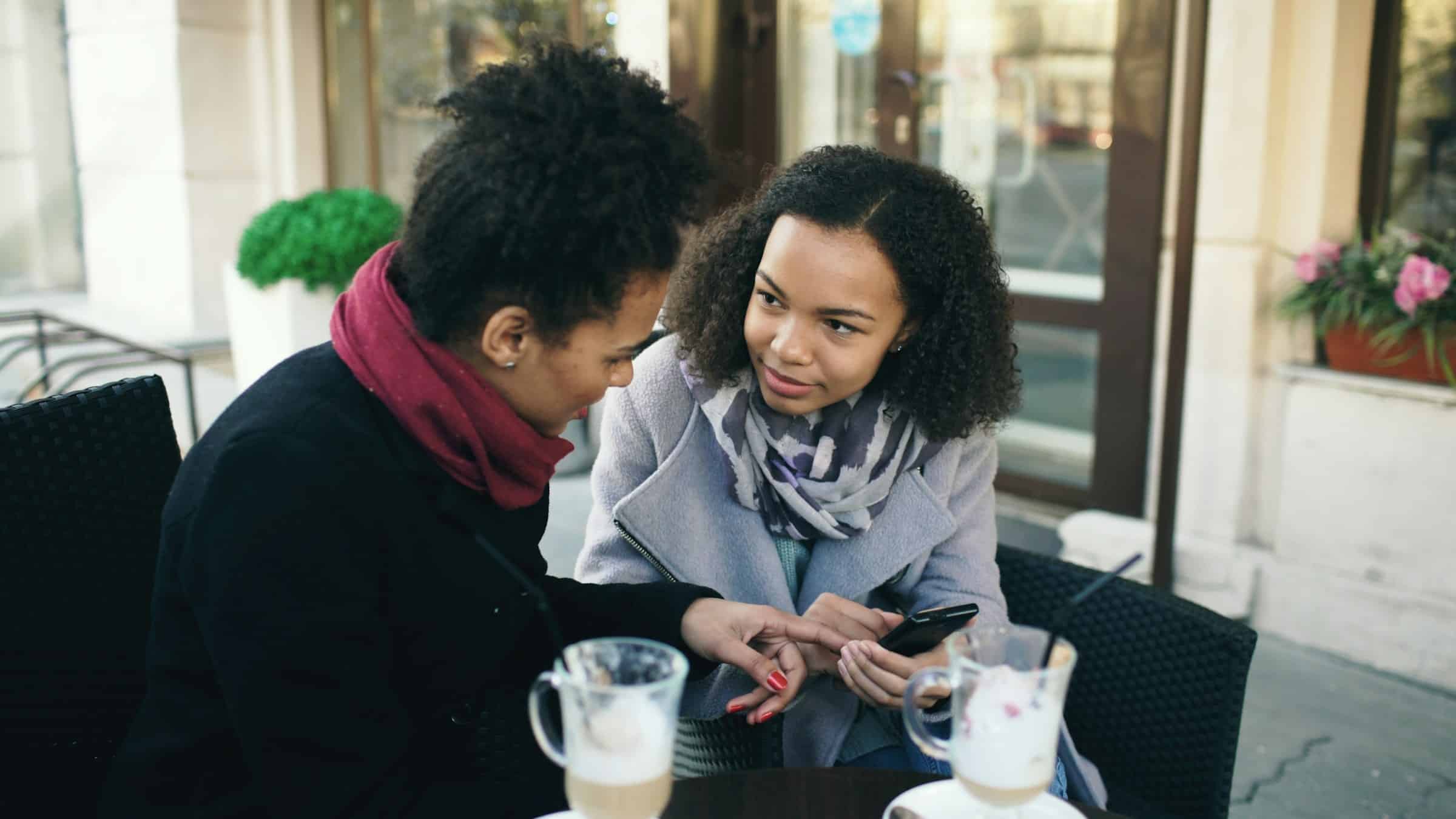
At HCT, we meet clients in the community—a cozy corner at Bipartisan Café, a quiet walk at Mt. Tabor, or chatting through scripts over tea at Nossa Familia—to practice connecting with others in natural settings.
Using Sensory and Executive Function Tools to Reduce Overwhelm
From sensory-friendly strategies at social events to reminders for social check-ins, OT provides tools to stay regulated and engaged.
Strategies for Building Your Own Support Network in Portland
Here are some practical steps you can take:
Finding Affirming Spaces
Seek out groups designed for LGBTQIA2S+, kink, poly, or people with different sensory or cognitive processing styles. Portland has an array of queer-affirming spaces and community meetups—from Queer Hikes PDX to trans-friendly game nights at Guardian Games.
Combining Online Communities with In-Person Connections
Virtual groups can be a lifeline when energy is low, while in-person connections deepen bonds. Both are valid and valuable.
Creating Safe Boundaries While Connecting
Boundaries are essential. If you’ve ever ghosted a group because it felt too much too fast, you’re not alone. Therapy can help you set limits while still staying open to authentic relationships.
Portland & Oregon Resources for Connection
Local organizations and events help strengthen support networks for queer adults by offering inclusive spaces and opportunities for connection.
Local LGBTQIA2S+ Centers and Community Hubs
- Q Center Portland
- Portland Pride Foundation
Support Groups for People with Different Cognitive Processing Styles and Brain Injury
- Brain Injury Alliance of Oregon
Virtual Therapy and Online Support Communities
For those outside Portland or preferring at-home sessions, HCT offers virtual occupational therapy across Oregon.
FAQs About Building Support Networks as a Queer Adult or Someone Who Processes Information Differently
- Can occupational therapy help me build support networks for queer adults?
Yes. Unlike traditional talk therapy, OT uses real-world practice and tools to help you engage more confidently in social settings. - What if I’ve been rejected before and find it hard to trust?
Building trust takes time. Therapy provides a safe space to rebuild confidence while slowly connecting with affirming people. - Do I need a big friend group to feel supported?
Not at all. Even one or two affirming relationships can make a huge difference. Quality matters more than quantity. - How can I balance online and in-person connections?
Use both—online spaces for flexibility and accessibility, and in-person moments for deeper bonds. - What if socializing overwhelms me as someone with different sensory or attention needs?
Therapists can help create strategies to manage sensory input, set boundaries, and take breaks without losing connection. - Can therapy help me maintain relationships, not just build them?
Absolutely. OT supports organization, communication, and follow-through skills to keep relationships strong over time.
Building a Life Where You Belong
As someone who thinks or processes information differently, or queer adult, building a strong support network may feel daunting—but it’s entirely possible. With the right tools, affirming spaces, and professional guidance, you can create relationships that uplift, affirm, and sustain you.
Over time, strong support networks for queer adults can reduce isolation and help people feel more connected within their communities.
At Holistic Community Therapy in Portland, we walk alongside you with action-focused, affirming care—supporting your routines, honoring your identity, and helping you build real connection at your own pace. You don’t have to do this alone.
Ready to start building your support network? Call or text (503) 882-0988 to schedule a consult today.