Occupational therapy and physical therapy are often confused but they serve different purposes. Physical therapy focuses on restoring movement, strength and reducing pain after injury or surgery. Occupational therapy focuses on helping people function in everyday life things like managing routines, returning to work or handling daily responsibilities with more confidence.
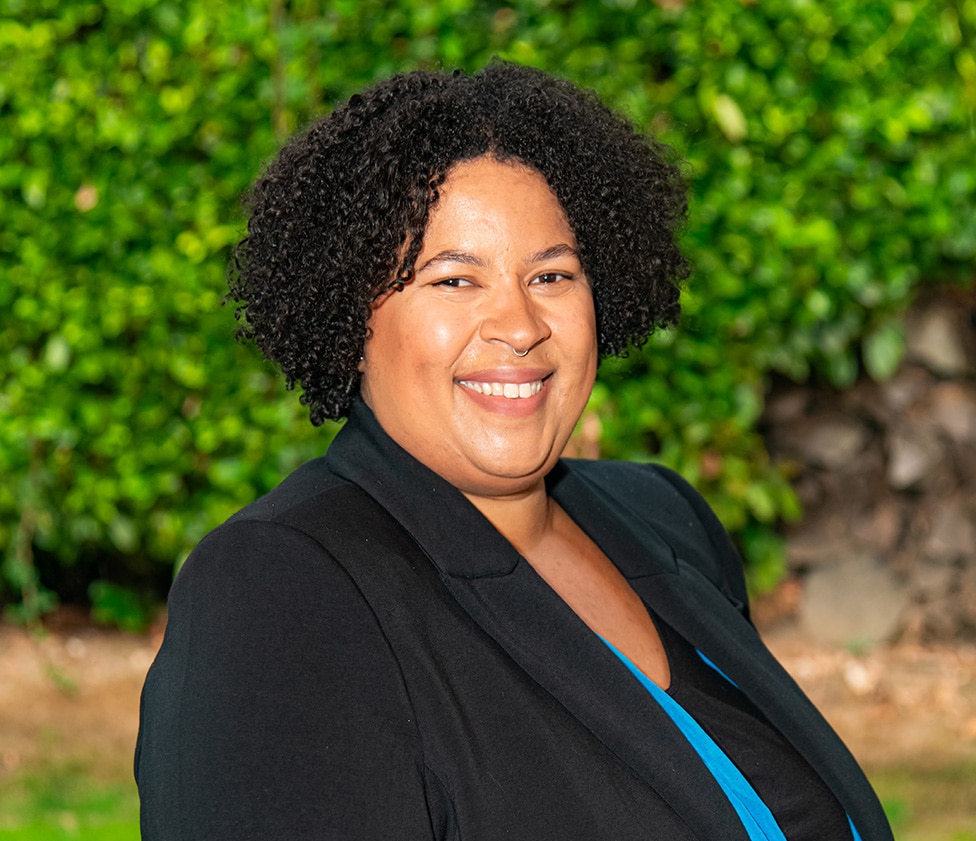
As an occupational therapist at Holistic Community Therapy in Portland, Oregon I often meet people who aren’t sure which type of therapy they need.Understanding this difference can save time, money and frustration. In this guide I break down how OT and PT work, what each treats and how to know which approach may be the right fit for.
What Is Occupational Therapy and What Is Physical Therapy
Occupational therapy and physical therapy are both essential to helping people recover, adapt, or thrive after injury, illness, or life changes, but they serve different purposes. Occupational therapy is all about helping you participate in the activities (or “occupations”) that matter most to you, whether that’s cooking, managing work tasks, handling self-care, or staying organized in daily routines. It zooms in on the practical skills and habits that make independent living possible, especially if life has thrown you a curveball.
Physical therapy, on the other hand, homes in on your body’s ability to move well and without pain. PT helps you rebuild muscle strength, improve range of motion, recover from surgeries or injuries, and learn strategies to manage or prevent chronic pain.
Research has shown that structured physical therapy and exercise programs can significantly reduce pain and improve functional ability in people with chronic low back pain (Şahin et al., 2017). The ultimate goal? To restore your physical function so you can move confidently at home, at work, or in your community.
In my work as an occupational therapist, people often come in unsure which type of therapy they actually need. Many tell me something like, “I thought OT was just for hand injuries,” or “I wasn’t sure if this was a PT thing.” That confusion is really common, and once we talk through what daily life actually looks like for them, it usually becomes much clearer which approach will help the most.
Treatment Goals and Therapeutic Approaches Compared
The heart of occupational therapy is helping people engage in life’s everyday activities with as much independence and satisfaction as possible, and research supports this approach. A systematic review published in the American Journal of Occupational Therapy found that occupational therapy interventions significantly improve independence in activities of daily living for community-dwelling older adults (Liu, Chang, & Chang, 2018).
OT goals center around enabling clients to complete meaningful daily tasks, things like dressing, cooking, working, or managing schedules, especially after a setback such as injury, illness, or mental health challenge. Approaches are practical and hands-on, adapting the environment or routine and building step-by-step skills that work in real time.
Clients often describe these challenges in very practical ways. Someone might say, “I can get through work, but by the time I’m home I’m completely overwhelmed,” or “Simple routines feel harder than they used to.” Occupational therapy focuses on those real-life moments, figuring out what’s getting in the way and building strategies that actually work in everyday life.
Physical therapy takes a different tack. Its main targets are improving mobility, restoring strength and flexibility, reducing pain, and preventing further injury. PT achieves this with guided exercise programs, stretching, manual treatments, and sometimes innovative tools like robotics or virtual reality to help people physically rebuild after trauma or surgery.
Occupational Therapist Role and Physical Therapist Role Explained
When you look closely at the roles occupational therapists (OTs) and physical therapists (PTs) play, you’ll see just how tailored their work is to your goals. OTs and PTs each bring specialized skills to the table, but what sets them apart is the focus of their day-to-day care and the types of problems they solve with their clients.
Occupational therapists help clients overcome barriers to daily living. They assess routines, develop step-by-step strategies, and coach clients through everyday activities, routine tasks, managing sensory input, structuring environments, and practicing new habits. Their underlying mission is to promote independence and participation in the things that give life meaning, especially when these have been disrupted.
Physical therapists, meanwhile, focus on restoring the body’s capacity to move and function at its best. They assess physical impairments, create exercise plans, and provide hands-on treatments to help people bounce back from injury, surgery, or chronic pain. Their aim is to help you regain strength, flexibility, and mobility for both daily life and bigger activities. These two types of therapists often work side by side, and the next sections will break down exactly what OTs and PTs do to make this happen in practice.
Occupational Therapist Role Essential Duties
- Evaluating daily routines and identifying obstacles that prevent clients from living independently or doing activities they love.
- Developing personalized intervention plans, these can include hands-on practice, step-by-step coaching, routine adjustments, and client-centered strategies for improving focus or managing stress.
- Teaching adaptive skills, from organizing a to-do list to practicing techniques for sensory regulation or completing self-care tasks with confidence.
- Collaborating with families, caregivers, or other professionals to build supports that stick, especially after brain injury, trauma, or when managing long-term mental health conditions.
Physical Therapist Role Core Responsibilities
- Assessing mobility, muscle strength, balance, and physical limitations after injury, illness, or surgery.
- Designing individualized exercise and rehabilitation plans to rebuild strength, flexibility, and ease of movement.
- Using manual therapy techniques, such as soft tissue mobilization or joint manipulation, to reduce pain and improve function.
- Educating clients about proper movement, posture, and injury prevention, supporting a safe return to daily activities or sports.
When to Need OT Versus When to Need PT
Deciding between occupational therapy and physical therapy often comes down to what’s getting in your way, and what you want to get back to. If your struggles are about day-to-day functioning, routines, coping with sensory overload, or regaining confidence after mental health changes, OT might be your best bet. For those dealing with pain, weakness, stiffness, or trouble moving after a physical injury, PT picks up where you need physical recovery the most.
Each therapy has unique strengths, and knowing which one is best helps you get more targeted results. The following sections break down common scenarios for each therapy, so you can see where OT and PT excel and, sometimes, when teaming up brings the best of both worlds.

When to Need OT Common Scenarios
- Difficulties with Daily Routines: If tasks like cooking, managing appointments, or keeping a regular schedule feel overwhelming, OT steps in to make these tasks doable and manageable.
- Sensory or Cognitive Challenges: Adults struggling with focus, memory, or sensory overload, due to neurodivergence, anxiety, or brain injury, can benefit from OT’s personalized strategies.
- Recovering from Trauma or TBI: For individuals navigating concussion and tbi recovery or psychological trauma, OT helps regain confidence and rebuild real-world coping skills.
When to Need PT Typical Use Cases
- Recovering from Injuries or Surgery: PT is key for bouncing back after falls, fractures, joint replacements, or sports injuries, supporting safe recovery and mobility.
- Chronic Pain or Arthritis: If movement is limited by ongoing pain, stiffness, or degenerative conditions, PT creates exercise and pain management plans for daily comfort.
- General Mobility Issues: For anyone struggling with balance, walking, or risk of falls, PT hones movement skills to restore strength and confidence.
Patient Populations Who Benefit and Treatment Examples
Occupational therapy and physical therapy serve a wide range of people from kids to seniors, each with their own set of needs and goals. Children might come to therapy to overcome developmental delays or succeed in school, while older adults may turn to therapy for fall prevention, recovering independence after illness, or managing complex medical conditions.
These therapies aren’t only about age; they support people navigating neurological, mental health, and physical health and chronic illness challenges that affect daily functioning and mobility. OT and PT work with folks navigating ADHD, trauma, brain injuries, chronic pain, or mobility issues. Research also shows that occupational therapy can significantly improve independence in activities of daily living for adults recovering from stroke (Legg et al., 2017). They aim to deliver relevant life changes by supporting specific daily activities, routines, and movement goals.
Pediatric Therapy and Senior Therapy Across OT and PT
- Pediatric OT: Focuses on school participation, behavioral regulation, and building foundational play and self-help skills for children with autism, ADHD, or developmental delays.
- Pediatric PT: Targets gross motor skills, balance, and strength to support walking, sports involvement, and safe movement in growing children.
- Senior OT: Works on maintaining independence with daily tasks, adapting home environments, and managing sensory or cognitive changes linked to aging.
- Senior PT: Prioritizes fall prevention, mobility maintenance, post-surgery recovery, and physical resilience as adults age.
Patient Populations and Treatment Examples in OT and PT
- ADHD or Trauma Survivors (OT): OTs use personalized routines and coping strategies to help clients with ADHD or trauma regain focus, manage sensory triggers, and build confidence.
- Sports Injuries or Surgeries (PT): Physical therapists guide post-injury or post-op recovery through tailored exercise, hands-on therapy, and education on safe movement.
- Chronic Pain and Illness (Both): For ongoing pain or illness, OT focuses on adapting tasks to maintain independence, while PT helps rebuild physical capacity.
Collaborative Care and Speech Therapy Comparison
Occupational therapy and physical therapy often achieve the best results when they work hand in hand. Collaborative care means OTs and PTs share assessments, coordinate treatment plans, and schedule regular check-ins to ensure nothing falls through the cracks. This blend of expertise leads to better, faster recovery, especially for those with complex challenges affecting both body and daily function.
Sometimes, speech therapy or other rehabilitation specialists join the mix, offering support for communication, swallowing, or cognitive issues. Comparing OT, PT, and speech therapy side by side helps patients and families see which therapy best fits their unique hurdles and when a team approach might be ideal.
How Collaborative Care Works for OT and PT
Collaborative care brings OTs and PTs together regularly for team meetings, joint assessments, and coordinated care plans. By sharing therapy notes and progress updates, therapists ensure that clients’ goals align, both for movement and daily function. This model often leads to better outcomes, fewer setbacks, and a greater sense of progress and support. The Holistic Community Therapy process exemplifies this by keeping care focused, flexible, and action-oriented.
Speech Therapy Comparison and Other Therapy Types
While occupational and physical therapy focus on function and movement, speech therapy zooms in on speech, language, cognitive-communication, and swallowing issues. Speech therapists help with articulation, voice challenges, social communication, or difficulties after stroke or brain injury. The right rehab team, OT, PT, or speech, depends on what’s most challenging for you. Sometimes, all three collaborate to address overlapping needs, ensuring comprehensive and coordinated care for the best possible outcomes.
What to Expect During Occupational Therapy and Physical Therapy Sessions
Starting therapy can feel overwhelming, especially if you’re not sure what to expect from each session. Occupational therapy and physical therapy are both designed to help you set practical goals and track progress over time, but the structure and feel of each session often differ.
In both types of therapy, you’ll start with an initial assessment where your therapist gets to know you, your strengths, and your struggles. As you progress, you’ll practice skills, exercises, or strategies tailored to you, whether that’s building habits, learning new movements, or finding ways to meet daily challenges with more independence.
The next two sections walk you through what you’ll actually experience in a typical OT or PT session, taking the mystery out of the process so you can show up prepared and confident.
What to Expect During an Occupational Therapy Session
Many people arrive at their first occupational therapy session unsure what the process will actually look like. I often hear things like, “I’m not sure what we’re supposed to do in OT,” or “Do I just talk about my problems?” In reality, sessions are very practical and collaborative, we focus on understanding daily challenges and experimenting with strategies that fit into your real life.
A typical occupational therapy session begins with the therapist assessing your current daily functioning: What activities are most challenging? How does your environment support or limit you? You might fill out a questionnaire or walk through a typical day together. The therapist will look at your self-care, work skills, routines, memory, sensory needs, or whatever is most relevant to your goals.
Once priorities are set, sessions are hands-on and action-focused. You could practice cooking a meal, managing your calendar, or breaking tasks into manageable steps. If you have sensory sensitivities or focus trouble, your OT might coach you through tools for regulation, like deep breathing, grounding techniques, or using adaptive equipment.
For individuals dealing with trauma, anxiety, or ADHD, the focus might shift to building resilience, finding ways to stay organized, or establishing steady routines. Throughout, the OT provides real-time feedback, making adjustments as you practice. Sessions often wrap with discussion around what worked, what needs tweaking, and where you’re headed next. Over time, the process is about building confidence and real-life independence. .
What to Expect During a Physical Therapy Session
A physical therapy session usually starts with a thorough review of your symptoms, medical history, and the specific movements you find tough. The therapist will check your range of motion, flexibility, pain level, and overall movement quality. This upfront assessment shapes your personal recovery plan.
PT sessions often include guided exercises that target the muscles or joints needing attention. Your therapist will walk you through stretches, strengthening routines, balance drills, and sometimes manual techniques like massage or joint mobilization. If you’re using mobility aids or need adapted movement strategies, the PT ensures these tools fit and work safely.
As you move through therapy, you’ll measure progress using functional benchmarks: less pain, better range of motion, and increased ability to tackle daily tasks. You’ll receive education on ways to prevent future injuries or manage pain at home. PT is about building strength and confidence, so sessions are structured to keep you encouraged and moving forward, step by step.
How to Choose the Right Occupational or Physical Therapist
Choosing the right occupational or physical therapist isn’t only about finding the closest clinic, it’s about making sure the therapist understands your needs and aligns with your goals. Start by checking credentials: Look for a licensed OT or PT with specialized training relevant to your condition, be it trauma recovery, neurological challenges, or sports rehabilitation.
Ask questions about their approach: Do they take the time to understand your story? Are their interventions practical and action-oriented, or do they rely strictly on standard exercises? It’s important to find someone who provides collaborative, compassionate care that respects your unique background and preferences.
Also, consider logistical details: Do they offer home visits, community-based care, or telehealth options if you need flexibility? A therapist’s philosophy and treatment model can shape how change actually happens in your life. By weighing all these factors, you’ll be in the driver’s seat as you seek out therapy that genuinely works for you.
Conclusion
Occupational therapy and physical therapy both empower people, but they do it in distinct ways. OT supports independence in daily life and meaningful activities, while PT restores movement and reduces pain.
Learning the differences can help you choose the right support, save time, and achieve better outcomes. If you’re unsure where to begin, focus on where your biggest challenges lie, at home, at work, or in your movement. There’s no “one size fits all” answer, but there’s always a path forward.
Take action by reaching out to qualified therapists, asking questions, and advocating for care that recognizes your needs and goals. You deserve therapy that sees the whole you and meets you where you’re at, one step at a time.
Frequently Asked Questions
What’s the main difference between occupational therapy and physical therapy?
Occupational therapy helps you participate in everyday activities by building daily life skills and adapting routines, especially when independence is affected. Physical therapy focuses on restoring movement, improving strength, and reducing pain after injury or illness. Both aim for better health, but their core focuses, function versus movement, are what set them apart.
How do I know if I need OT or PT?
If you struggle most with daily activities (like self-care, work tasks, or managing routines), OT is usually a better fit. For trouble with movement, strength, balance, or pain after injury, you’ll probably benefit more from PT. Sometimes, both therapies work together. A quick call with a healthcare provider or therapist can clarify your next best step.
Can occupational and physical therapy be done at the same time?
Yes! Many people benefit from both therapies working together, especially after big life changes like surgery, injury, or chronic illness. Collaborative care means OTs and PTs coordinate to cover all aspects of your recovery, physical strength plus practical daily function, for the greatest impact on your well-being.
What should I expect in my first therapy session?
Both OT and PT start with an assessment. You’ll talk about your medical history, daily challenges, and goals. Your therapist will observe or measure your physical abilities or daily routines, then create a personalized plan. Expect a mix of education, hands-on practice, and, as progress is measured, adjustment along the way. The first session sets the groundwork for your therapy journey.
References
- Liu, C. J., Chang, W. P., & Chang, M. C. (2018). Occupational therapy interventions to improve activities of daily living for community-dwelling older adults: A systematic review. American Journal of Occupational Therapy, 72(4), 7204190060p1–7204190060p11.
- Legg, L. A., Lewis, S. R., Schofield-Robinson, O. J., Drummond, A., & Langhorne, P. (2017). Occupational therapy for adults with problems in activities of daily living after stroke. Cochrane Database of Systematic Reviews, 2017(7), CD003585.
- Şahin, N., Karahan, A. Y., & Albayrak, İ. (2017). Effectiveness of physical therapy and exercise on pain and functional status in patients with chronic low back pain: A randomized controlled trial. Turkish Journal of Physical Medicine and Rehabilitation, 64(1), 52–58.