Trauma-informed OT recognizes that trauma doesn’t just live in the mind. It lives in the body, the nervous system, and the routines we struggle to maintain. It can make ordinary tasks like getting dressed, making breakfast, or going to work feel overwhelming—even when you’re a high-functioning professional catching the MAX downtown or logging into Zoom from your Portland apartment.
That’s why healing trauma requires more than talk. It requires safe, supported action. And that’s where trauma-informed OT comes in.
What Is Trauma-Informed OT?
Trauma-informed OT is a compassionate, body-based approach that helps individuals rebuild daily functioning and emotional safety after trauma. It recognizes that trauma often disrupts a person’s ability to engage in everyday life—from managing blood sugar before a long hospital shift to responding to Slack messages without spiraling into shutdown—and that healing happens through those same daily activities.
Rather than focusing solely on symptoms, trauma-informed OTs focus on restoring routines, empowering choice, and reconnecting individuals to themselves, their bodies, and their communities—especially when those communities include navigating systemic stress, racialized experiences, or queer identity in professional spaces.
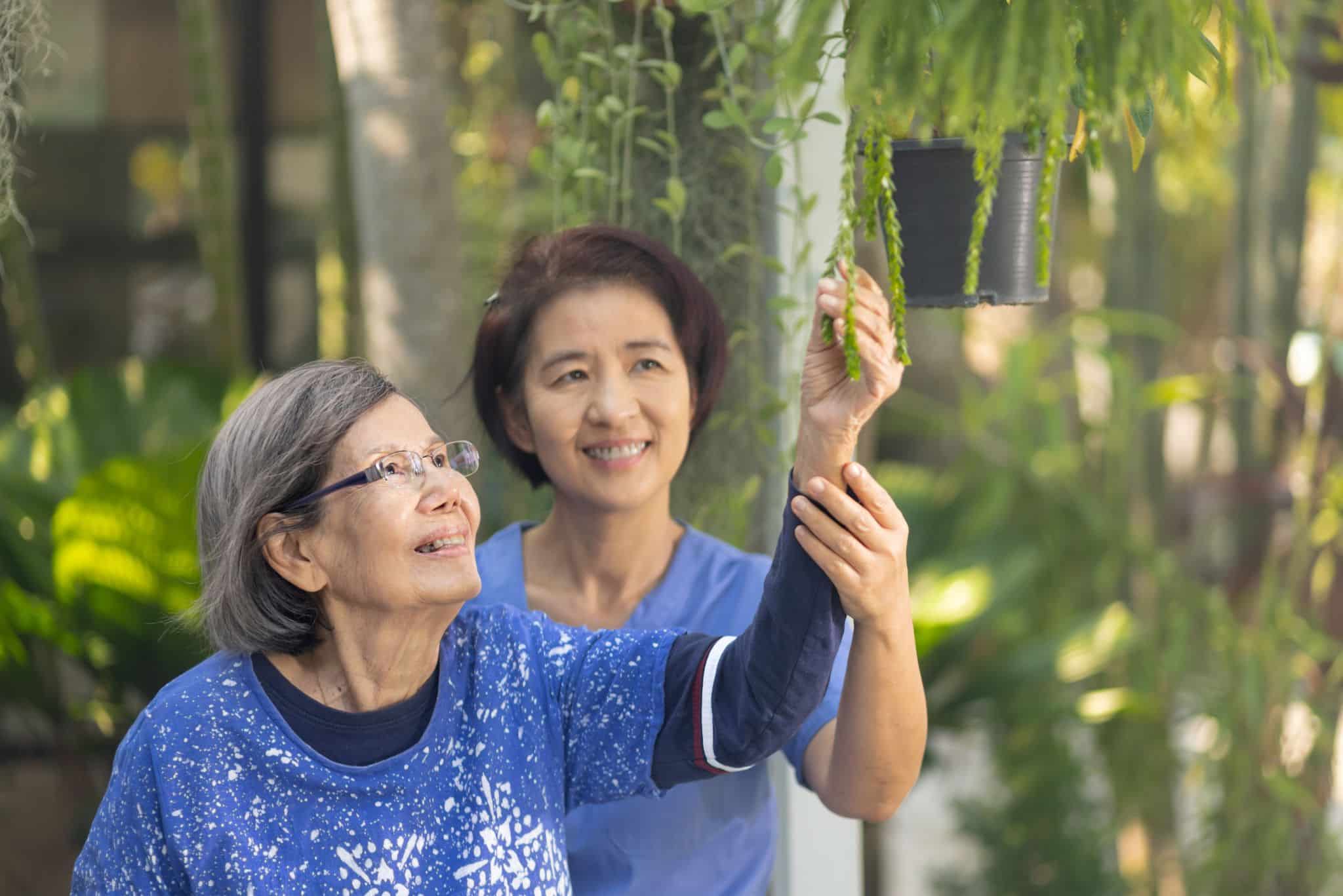
It’s therapy that happens while cooking, creating, moving, or even walking through a neighborhood park—like Laurelhurst, Peninsula Park, or a community garden in Northeast Portland—not just while sitting in a therapist’s office.
7 Ways Trauma-Informed OT Supports Daily Functional Healing
In trauma recovery, consistency and choice are critical. Trauma-informed OTs help clients rebuild daily life at a pace that feels manageable and affirming—especially when your nervous system has been in survival mode for years.
- Re-establish morning or evening routines that don’t feel like a battle before your 7 a.m. shift or your first client session
- Reconnect with the body through movement or breathwork that feels accessible—not performative
- Navigate sensory triggers in home or community spaces like crowded grocery stores on Hawthorne or overstimulating hospital units
- Build confidence with self-care, cooking, or planning even when executive function feels unreliable
- Reclaim executive functioning and emotional regulation
- Return to work, parenting, or social roles with support without masking distress just to appear “fine”
- Build nervous system resilience through repetition
By integrating therapy into everyday moments, clients begin to experience small, sustained wins that build a greater sense of safety and control.
The Impact of Trauma-Informed OT
Trauma-informed OT doesn’t just help people “cope.” It helps them reclaim their lives—in practical, visible ways that show up in their calendar, their kitchen, and their relationships.
Clients often report—not dramatic overnight changes, but steady functional shifts that feel sustainable:
- Improved sense of safety and grounding
- Better emotional regulation and resilience
- Greater independence in daily tasks
- Reconnection to community, family, or meaningful roles like volunteering, dating again, or joining a BIPOC hiking group
- Reduced overwhelm in high-stress environments such as healthcare settings, tech workplaces, or graduate programs
Whether working with survivors of interpersonal violence, childhood trauma, houselessness, or systemic oppression, trauma-informed OTs provide support that validates, adapts, and empowers.
A Holistic, Community-Based Approach
Our occupational therapy service in Portland is rooted in the belief that healing should happen in real-life settings. That’s why we meet people where they are—in Southeast apartments, shared housing, transitional programs, quiet coffee shops, or their own living room.
Whether that’s in transitional housing, a neighborhood garden, or their own living room, trauma-informed OT allows therapy to unfold in the actual environments where stress, memory, and meaning live.
We design trauma-informed OT services that are:
- Culturally responsive and strengths-based
- Sensitive to sensory and emotional needs
- Grounded in client-defined goals and values
- Supportive of both individual and community healing
Because trauma may be personal, but healing is collective—and often deeply shaped by culture, identity, and the systems we move through every day in Portland and beyond.
What Makes Trauma-Informed OT Different from Traditional Therapy?
Trauma-informed OT is grounded in the understanding that trauma affects function. It shows up in disrupted sleep, difficulty initiating tasks, sensory overwhelm, and inconsistent follow-through. Rather than focusing primarily on insight or emotional processing, trauma-informed OT addresses how trauma interferes with daily roles and routines — and then works to rebuild those patterns in structured, measurable ways.
The approach is body-based and practical. We pay attention to nervous system activation during real tasks: cooking, planning the week, navigating public transportation, preparing for a shift at work. Instead of separating healing from daily life, trauma-informed OT integrates therapy directly into the environments where stress actually occurs — homes, workplaces, community spaces.
Because our work is community-based, intervention does not happen in isolation. We consider cultural context, identity, systemic stressors, and environmental demands. Trauma may be internal, but it is also shaped by where and how someone lives. Trauma-informed OT supports functional independence within those real-world conditions, not outside of them.
Start Small. Heal Deeply. Reclaim Your Routine.
If trauma has made daily life feel unmanageable—if brushing your teeth feels like climbing a hill in Forest Park or sending one email drains your entire nervous system—know that you’re not alone—and you don’t have to navigate healing by yourself.
Our trauma-informed OT team is here to help you take those first small steps toward daily functional wellness—one structured, supported routine at a time. Whether it’s brushing your teeth, finding your breath, or learning to trust again, we’ll walk with you.
Ready to Begin?
Contact us today to learn how our daily functional therapy services can support your trauma recovery. Because every routine reclaimed is a step toward resilience—and functional independence in your real, everyday life.